Global Vision is increasingly positioning itself as aninvestment platform rather than simply a real estate developer. What does thistransformation mean in practice, and how is it changing the way you selectprojects and deploy capital?
When we started Global Vision, our focus was primarily onproperty management, construction and development. Over the years, we haveevolved into an integrated investment and development platform, withcapabilities spanning the entire real estate value chain, from land acquisitionand permitting to financing and leasing. This evolution has changed the way weapproach our portfolio. While the traditional develop-and-sell model remainsrelevant, we increasingly focus on retaining assets that generate stable, recurringincome. We also assess opportunities beyond their development potential,considering tenant quality, lease duration, location and long-term marketdemand. Our approach to capital is increasingly flexible andpartnership-driven, combining our expertise with that of strategic partners,asset owners and private investors to allocate capital efficiently, controlexecution and create long-term value.
You are developing a newretail park in Constanța together with Globalworth, with several phases plannedacross a 10-hectare site. Why is retail becoming a more important part ofGlobal Vision’s strategy, and what makes Constanța particularly attractive forthis type of investment?
I see retail as an attractive segment because it offerssomething I value as an investor: predictable income supported by everydayconsumer needs. Retail parks have proven resilient in Romania, with relativelylow operating costs, while several regional cities still lack sufficient modernretail facilities. The opportunity lies in identifying locations where demandis not yet fully met, and Constanța is a good example of that. As Romania’smain port and logistics hub, the city benefits from sustained economicactivity, tourism and expanding residential areas. What interested us was thegap between this growth and the existing retail offer. Together with ourpartner, we’re developing the project in phases to meet demand, manage capitalefficiently, and maintain flexibility for future growth.
Offices accounted for around 60% of Romanian investmentvolumes in the first half of 2026, and Global Vision has just acquired the former Alpha Bank headquarters. Why are you buying older, partly vacant office buildings in prime locations, and how does your platform turn them into valuefor investors?
In the real estate, location is the one thing you cannotchange. Many of Bucharest’s best business areas were developed 15 to 20 yearsago, with limited land remaining for new projects. This creates opportunitiesto acquire well-located buildings at valuations that justify refurbishment andrepositioning. Our investment strategy focuses on three categories: stabilizedassets, value-add and development. Our recent acquisition of the former AlphaBank headquarters reflects our value-add approach. The largely vacant propertyoffers the flexibility to transform it into a modern mixed-use destination. Wehave applied a similar strategy at Brătianu Business Center and Corner OfficeBuilding, where refurbishment and sustainability upgrades have brought olderproperties up to modern standards, achieving yields on cost exceeding 10%.Acquiring below replacement cost and repositioning assets creates value withlower risks.
You have described data centres as the “factories of thefuture”. How significant could this sector become for Global Vision, and whatdoes Romania still need in order to attract substantially more data centre investment?
I see data centres as one of the most promising investmentopportunities driven by AI, but they are far more complex than traditional realestate projects. Even with the right location, financing and expertise,reliable energy and connectivity are essential, and securing the necessarypower can be more challenging than construction itself. We have alreadydelivered data centre facilities as developers, and I see an opportunity tobuild on that experience by expanding our role beyond development into theoperation of AI-ready data centres, combining infrastructure expertise with adeeper understanding of data processing needs. These projects requiresignificantly more energy, advanced cooling systems and substantial capital.Romania has the potential to compete, but we need to be realistic about ourlimitations. Our electricity infrastructure needs significant modernisation,with faster grid connections, more predictable energy costs, greater investmentin storage and connectivity, and more efficient permitting procedures.
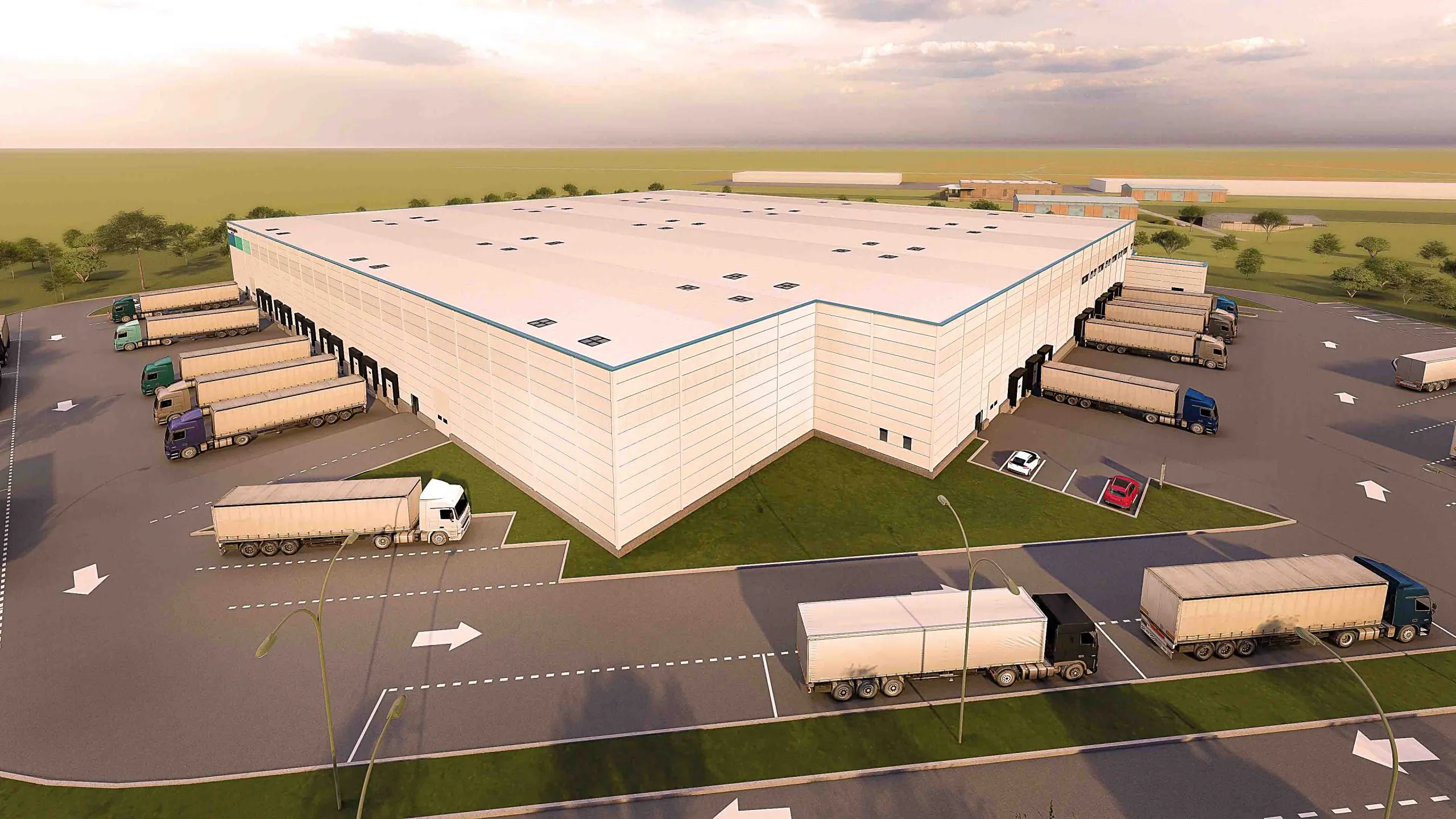
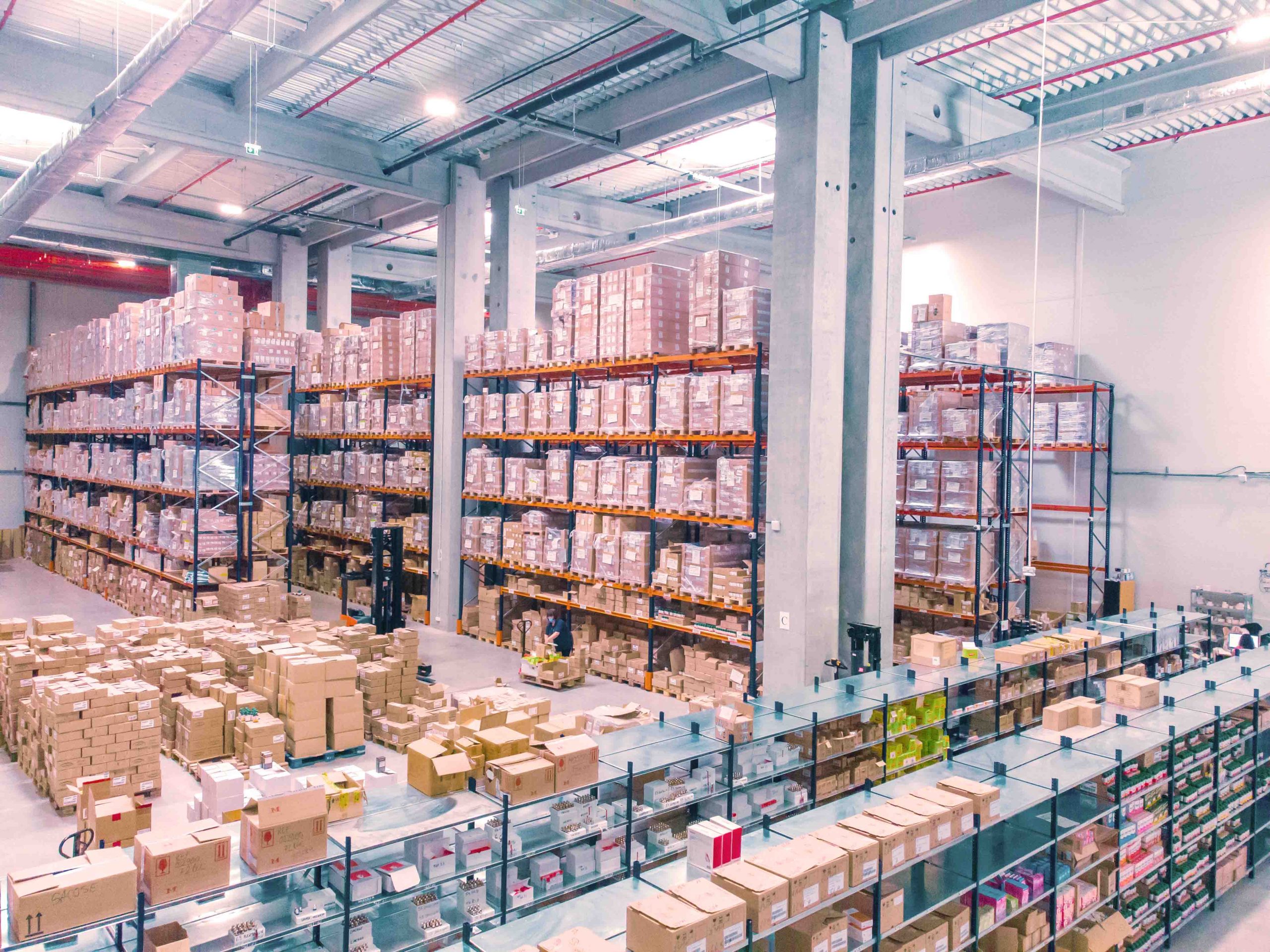
Following years of strong activity in logistics andindustrial, Global Vision is now building a much more diversified portfolio.How do you decide on the right balance between assets that cangeneratelong-term recurring income and developments that offer a shorter investmentcycle?
Over the years, I have learned that in real estate, havingvaluable assets does not necessarily mean having a financially strong business.You can have an excellent portfolio on paper, but if too much capital is tiedup in projects that take years to generate returns, your options becomelimited. I have seen how quickly market conditions can change. When financingbecomes more expensive or transactions slow down, properties generatingconsistent cash flow give you the confidence to hold your position, whileshorter-cycle developments allow you to recover capital and pursue newopportunities. We prioritize resilience over growth, building a business thatallows us to keep making decisions on our own terms, even in difficult markets.
Global Vision has spoken about building a projectportfolio with investment potential exceeding €1 billion. What needs to happenfor that ambition to become reality, and how important will internationalinstitutional capital and strategic partnerships be in reaching that scale?
Reaching €1 billion in investment potential is achievablethrough disciplined execution and continued expansion of our project pipeline.Romania remains attractive compared with more mature Central European markets,but larger projects require international capital alongside traditional bankfinancing. Attracting institutional investors goes beyond competitive returns.It requires institutional-grade governance, transparent IFRS reporting andalignment with relevant EPRA best practices. Strategic partnerships areessential for growth, but reaching €1 billion should be the result of smartinvestments, not the goal driving them.
Other Posts